
- Services
- Discovery & Intelligence Services
- Publication Support Services
- Sample Work
Publication Support Service
- Editing & Translation
-
Editing and Translation Services
- Sample Work
Editing and Translation Service
-
- Research Services
- Sample Work
Research Services
- Physician Writing
- Sample Work
Physician Writing Service
- Statistical Analyses
- Sample Work
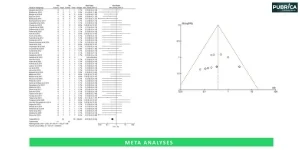
Statistical Analyses
- Data Collection
- AI and ML Services
- Sample Work

AI and ML Services
- Medical Writing
- Sample Work
Medical Writing
- Research Impact
- Sample Work
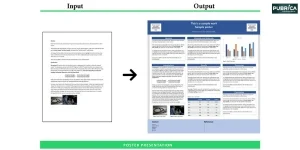
Research Impact
- Medical & Scientific Communication
- Sample Work
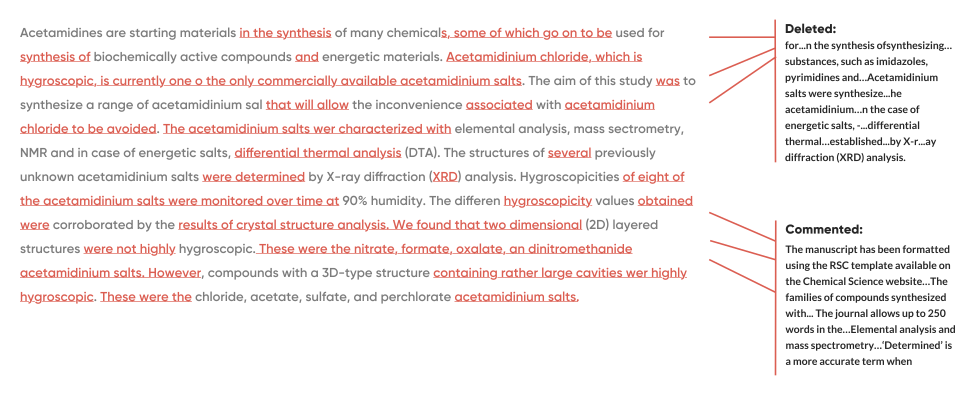
Medical & Scientific Communication
- Medico Legal Services
- Educational Content
- Academic Editorial Services
- Sample Work
Academic Editorial Services
- Educational Editorial Service
-
Education Editorial Services
- Sample Work
Education Editorial Services
-
- Industries
- Subjects
- About Us
- Academy
- Insights
- Contact Us
Systematic Review SCI Journal Publication Support Services: Complete Guide for Researchers
- Home
- Academy
- Statistical analysis
- Systematic Review SCI Journal Publication Support Services: Complete Guide for Researchers
High-Impact Journals
Interesting topics
Systematic Review SCI Journal Publication Support Services: Complete Guide for Researchers
Systematic review SCI journal publication support services provide end-to-end assistance, from initial manuscript development to final submission and beyond. These services typically include help with journal selection, writing and editing, formatting, cover letter creation, and post-acceptance support. The goal is to improve a research paper’s quality and adherence to specific journal guidelines to increase the likelihood of publication in high-impact journals. Systematic review publication support is key to navigating the complexities of submission and increasing the chances of successful publication. [1]
1. Understanding Systematic Reviews
Systematic reviews are different from conventional literature reviews in that they carry out a systematic and transparent approach to minimize bias. The hallmark of a systematic review encompasses important elements: [2]
- Clearly defined research question: a focused and specific guide for the review.
- Comprehensive literature search: a systematic, exhaustive search of relevant databases.
- Selection criteria: inclusion and exclusion criteria of studies.
- Data extraction methods: rigorous data extraction to synthesize data.
- Critical appraisal: evaluating the quality of studies.
These essential components require a clear and structured approach, which can be aided by systematic review writing services that specialize in organizing and supporting the entire review process.
2. Importance of Publishing in SCI Journals
There are many benefits to publishing in SCI journals, including improving a researcher’s visibility, advancing scientific knowledge, and informing evidence-informed practice. However, due to the competitive nature of these journals, publishing necessitates a high-quality systematic review that meets rigorous academic standards and guidelines. Researchers may wish to seek out systematic review publication support services to ensure their systematic review adheres to the necessary academic and journal-specific requirements. [3]
3. Key Services for Systematic Review Publication
Researchers can benefit from a variety of services to help them successfully publish a systematic review in an SCI journal. [4]
| Service | Description | Benefits |
| Literature Search Assistance | Professional help in designing and executing comprehensive searches. | Ensures inclusion of all relevant studies, reduces bias. |
| Data Extraction Support | Assistance in extracting key data points from included studies. | Increases accuracy and consistency in data synthesis. |
| Statistical Analysis | Experts providing support with meta-analysis and statistical methods. | Helps in synthesizing quantitative data and interpreting results. |
| Writing and Editing Support | Specialized editorial services for structuring, proofreading, and formatting manuscripts. | Increases the chances of acceptance in high-impact journals. |
| Journal Selection | Guidance on selecting the right journal submission. | Maximizes the likelihood of acceptance based on journal scope. |
| Reference Management | Tools and support for managing citations and bibliographies. | Reduces the risk of errors in citation and referencing. |
These services are essential for ensuring your manuscript meets the specific requirements of SCI journals and increases the chances of successful publication. SCI journal manuscript help can be particularly beneficial in streamlining the submission process.
4. Common Pitfalls in Systematic Review Publication
While the process can be improved upon, many researchers encounter common pitfalls when publishing their systematic reviews. These issues include: [5]
- Poor search strategy: Not performing a thorough search or not searching specific databases can lead to bias in the review.
- Inconsistent data extraction: Different reviewers may extract data differently, leading to unreliable conclusions.
- Lack of statistics: Not doing enough statistical analyses of the data can weaken the evidence in the systematic review.
- Not following author guidelines: Systematic Reviews (SR) author and submission guidelines for each SCI journal differ. Researchers who do not utilize these in each manuscript they prepare, can always submit, but will often be rejected for not adhering to guidelines.
- Solution: While all these barriers can be experienced simultaneously, all these concerns can be addressed through systematic review writing services that focus on upholding scientific integrity and adhering to author guidelines.
5. How to Choose the Right Support Service
When choosing a provider to assist with a systematic review, please consider the following points:
- Knowledge and Experience: Consider using providers that have knowledge of your specific area of research and have experience with the journal requirements.
- Tailored Services: Ensure that the services provided are appropriate to your review. There are some providers that may provide amazing assistance with medical reviews, while other providers may not be appropriate for a social sciences review.
- Reputation: Make sure to look for testimonials and reviews from prior clients to see what the quality and reliability of the provider is.
- The Price of Quality: Quality comes at a price. Quality assistance service will cost money; however, if you are investing your limited time and energy toward a publication, it is worthwhile to consider the positive payback for your investment. Research manuscript assistance can be invaluable in the long run, providing support with every step of the process.
6. Process for Submitting a Systematic Review
Once the systematic review is done, it is time to submit. The submission is generally done in the following steps: [6]
- Finalizing the Manuscript: It is important to make sure your review is well-organized, follows PRISMA (Preferred Reporting Items for Systematic Reviews and Meta-Analyses) evidence-based reporting guidelines, and has all the necessary requirements such as flow diagrams, tables, and reference lists.
- Journal Selection: Select a journal that fits the topic of your review and has the impact factor that has your research in mind.
- Submission: It is time to submit the manuscript via the online submission site of the journal. At this point, the reviewer will determine if the manuscript is accepted. Peer-review typically ends with either a significant number of revisions or none required.
- Revision and Resubmission: After the manuscript is peer-reviewed, you likely must do a substantial number of revisions based on reviewer feedback.
- Acceptance: After your manuscript is accepted, it will be subject to final edits and checks by the editor before it is published.

Figure 1. Process for Submitting a systematic review
Connect with us to explore how we can support you in maintaining academic integrity and enhancing the visibility of your research across the world!
Conclusion
Systematic reviews support the advancement of scientific knowledge and answer important research questions. Yet publishing a systematic review in a high-impact SCI journals requires advanced planning and extensive due diligence by the investigators. The researchers can greatly benefit from systematic review writing services can assist with various components of systematic review guidelines. They are more likely to succeed if they work with a provider who has experience in systematic review publication support and can assist with the literature search, data extraction, statistical analysis, and manuscript writing.
Systematic Review SCI Journal Publication Support Services: Complete Guide for Researchers. Our Pubrica consultants are here to guide you. [Get Expert Publishing Support] or [Schedule a Free Consultation]
References
- Randles, R., & Finnegan, A. (2023). Guidelines for writing a systematic review. Nurse Education Today, 125(105803), 105803. https://doi.org/10.1016/j.nedt.2023.105803
- Akobeng A. K. (2005). Understanding systematic reviews and meta-analysis. Archives of disease in childhood, 90(8), 845–848. https://doi.org/10.1136/adc.2004.058230
- Burn D. J. (2024). Why it is Important to Publish. Movement disorders clinical practice, 11 Suppl 3(Suppl 3), S6–S7. https://doi.org/10.1002/mdc3.14090
- Kruse C. S. (2019). Writing a Systematic Review for Publication in a Health-Related Degree Program. JMIR research protocols, 8(10), e15490. https://doi.org/10.2196/15490
- Granados-Duque, V., & García-Perdomo, H. A. (2021). Systematic review and meta-analysis: Which pitfalls to avoid during this process. International braz j urol : official journal of the Brazilian Society of Urology, 47(5), 1037–1041. https://doi.org/10.1590/S1677-5538.IBJU.2020.0746
- Chien, P. F., & Khan, K. S. (2023). Systematic Review Reporting – Writing concisely and precisely. Pakistan journal of medical sciences, 39(2), 317–322. https://doi.org/10.12669/pjms.39.2.7428