
- Services
- Publication Support Services
-
Publication Support Service
-
- Editing & Translation
-
Editing and Translation Service
-
- Research Services
-
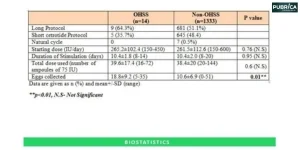
Research Services
-
- Physician Writing
-
Physician Writing Service
-
- Statistical Analyses
-
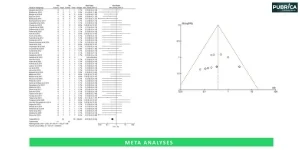
Statistical Analyses
-
- AI and ML Services
-
AI and ML Services
-
- Medical Writing
-
Medical Writing
-
- Research Impact
-
Research Impact
-
- Medical & Scientific Communication
-
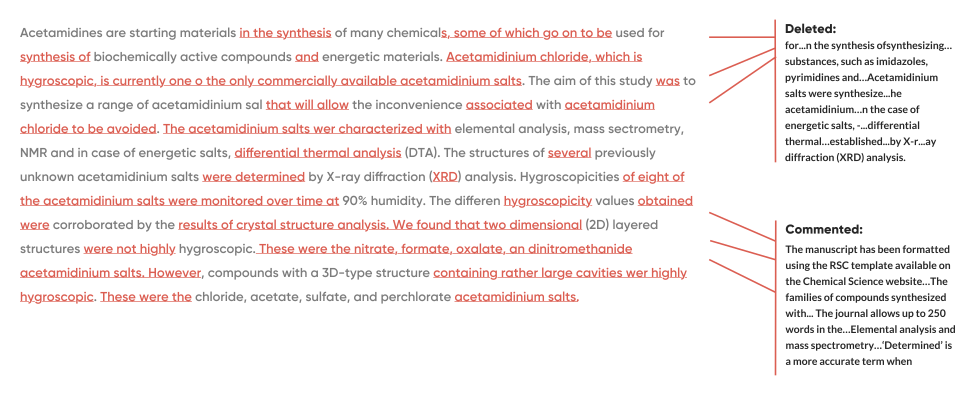
Medical & Scientific Communication
-
- Academic Editorial Services
-
Academic Editorial Services
-
- Educational Editorial Service
-
Education Editorial Services
-
- Publication Support Services

Genetics & Heredity
Understanding human genetics and how traits are inherited helps to visualise genetic conditions, how gene therapy works, and how to create a personalised medicine plan. Medical animation can help to visualise how genes are affected by mutations, how to alter genes using CRISPR technology, and how traits are passed from parent to child, amongst other things.

Human Nutrition & Metabolism
Medical animations can show how the body utilizes the food that it consumes, what nutrients contribute to a person's growth and immune response, and how a person's dietary choices impact their overall health. Medical animations may include visualisation of metabolic processes, absorption of nutrients, and metabolic pathway differences between carbohydrates, proteins and fats.

Medical Physiology and Health Management
Human anatomy and physiology as well as how a person maintain his/her health can be represented by using animations. There are also animations that show the human body's systems, such as the circulatory system, the respiratory system, and the immune system, and the medical treatments available to them and how the body responds to disease or injury.
Medical Procedures and Interventions
Animation is used to explain complicated medical procedures and interventions in an easy-to-follow, visual format. Whether a medical procedure involves performing surgery or performing non-invasive techniques, animations can visually depict procedures step-by-step, helping to improve a patient’s and a physician’s understanding of the procedures and the outcomes.

Pharmacology and Drug Action
Medical animations can show how drugs interact with the body at the molecular level, including the mechanism of action, absorption, distribution, metabolism, and elimination of pharmaceuticals.

Disease Mechanisms
and Pathophysiology
Animations can represent how diseases progress within the body, highlighting cellular damage, immune responses, and the effects of disease on organs and systems. This aids in the understanding of chronic conditions, infections, and cancer development.









Medical Education: Utilizing the visual demonstration of complex biological processes, anatomy, and medical procedures, provides increased learning opportunities.

Patient Education: By providing clear and easy-to-understand visuals of diagnoses, treatment options, and surgical procedures, patients can more readily understand their condition.

Surgical Planning: Surgeons can visualize how to prepare for their next surgery by using visual aids of the anatomy involved as well as how to perform each step.

Pharmaceutical Marketing: Visually conveying drug mechanism action, clinical trial results, and therapeutic benefits to the public and healthcare professionals.

Medical Device Demonstration: Presenting how medical devices function, offering healthcare providers and patients with the opportunity to learn about how they work.

Scientific communication: A method for researchers to visually communicate the scientific concepts and results of their research in academic papers, conferences, and other publications.





Pubrica’s medical animations have transformed how we present complex research. Their attention to detail and scientific accuracy is unmatched.


The team at Pubrica helped us create visually engaging educational content for our patients, making medical information easy to understand.


Pubrica’s animations have enhanced our presentations and brought clarity to our medical innovations. The quality and professionalism are exceptional.


"Pubrica’s team provided exceptional support throughout my meta-analysis cardiovascular drug efficacy. Their adherence to PRISMA guidelines and attention to statistical detail helped me publish in the European Heart Journal. Highly recommended"
— Dr. Anna Müller
Cardiologist, University Hospital Munich, Germany

"The meta-analysis manuscript I co-authored with Pubrica’s experts was accepted by BMC Public Health without major revisions. Their data synthesis and transparent methodology were critical to this success."
— Dr. Rohan Mehta
Public Health Researcher,
All India Institute of Medical Sciences (AIIMS), India

"Thanks to Pubrica’s guidance, our meta-analysis on paediatric nutrition was published in The Lancet Child & Adolescent Health. The methodological rigor and rewriting support were key contributors to the paper’s clarity and impact."
— Dr. Luis Fernández
Pediatrician & Research Fellow, University of Barcelona, Spain